Detailed information available on the full page.
Digitise Medical Records for Secure, Faster and Easier Access

Healthcare organisations handle thousands of sensitive patient files every day. Keeping records on paper slows down retrieval, increases storage costs, and creates compliance risks. ARC UK provides secure medical records scanning and healthcare document scanning services to hospitals, clinics, NHS trusts, laboratories, and private healthcare providers across the UK.
Our end to end medical document scanning solutions help organisations digitise medical records securely and efficiently. From patient records scanning and medical chart scanning to archive digitisation and cloud storage, we create easily searchable digital records that improve accessibility, support compliance, and streamline operational workflows.
Physical healthcare records are difficult to manage at scale. Files can become misplaced, retrieval times increase, and storage costs continue to grow. Healthcare organisations even face strict GDPR and information governance requirements when handling patient data.
ARC UK helps healthcare providers to shift from paper based systems to secure digital document management environments. Our medical records scanning services are designed to improve document access, reduce administrative pressure, and support better patient care through faster information retrieval.
Whether you need aone off archive scanning project or an ongoing scanning medical records solution, our teams manage the process securely from collection of documents, digitisation to final digital delivery.
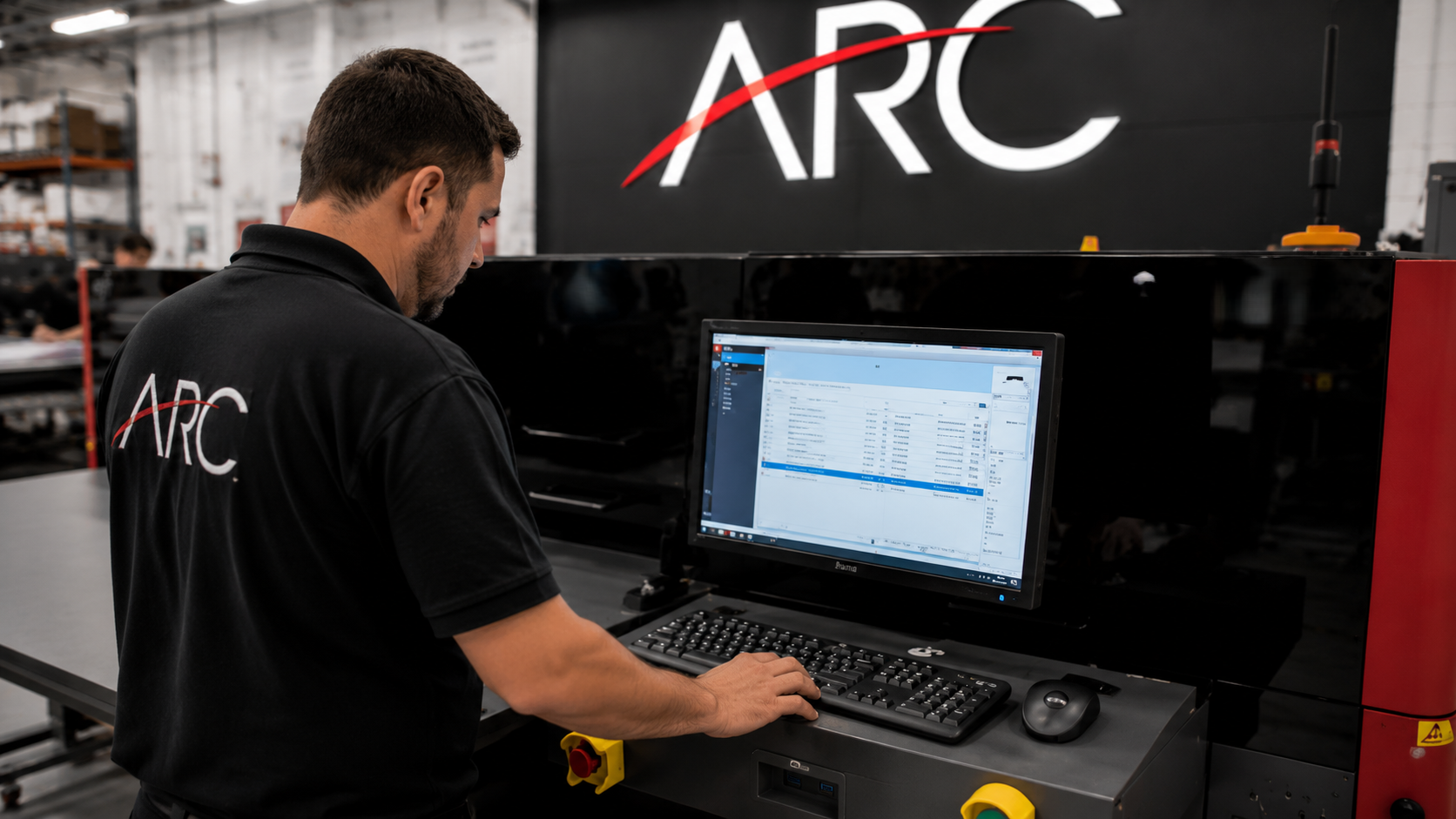
Healthcare organisations choose ARC UK for dependable service delivery, operational flexibility, and secure handling procedures.
Reasons clients work with us include:
Our goal is to help healthcare organisations improve document accessibility while reducing the operational burden of paper based records.
ARC is a global leader of print, signage, design, and information management solutions. We pride ourselves on our ‘global but local’ approach – ensuring that every customer has a local team of ARC experts to rely on and deliver their project on time.














ARC UK is part of the global ARC family, with 140+ facilities supporting over 65,000 customers across 10,200 locations worldwide. We deliver world-class products and services backed by leading independent certifications, constantly elevating our standards to ensure exceptional quality, a safe and secure workplace, and a reduced environmental impact.


Review Date
Full Text
Our mission is to delight our customers with exceptional, reliable service - our heartfelt way of saying thanks.


Oct 13, 2026
5/5 amazing experience, they put up signs on my windows for the new studio and absolutely smashed it...
Oct 13, 2026
Great business, super efficient would recommend.
Oct 12, 2026
Lexi was extremely helpful! Would definitely recommend.
Oct 06, 2026
Great service. Only needed a quick couple of bits printed but Nathan was more than helpful
Oct 04, 2026
Sep 29, 2026
Really impressed with ARC Document Solutions. Friendly, professional and incredibly helpful througho...
Sep 29, 2026
Fantastic service from ARC Document Solutions. The guys went above and beyond to help, making everyt...
Sep 28, 2026
I have worked with Arc Dartford for the last few years and their work is always perfect and timely. ...
Sep 28, 2026
I've had so many print jobs done by ARC Document Solutions in Dartford and they've never l...
Sep 28, 2026
I approached ARC Dartford to get some leaflets done recently for a local playgroup. Dave produced th...
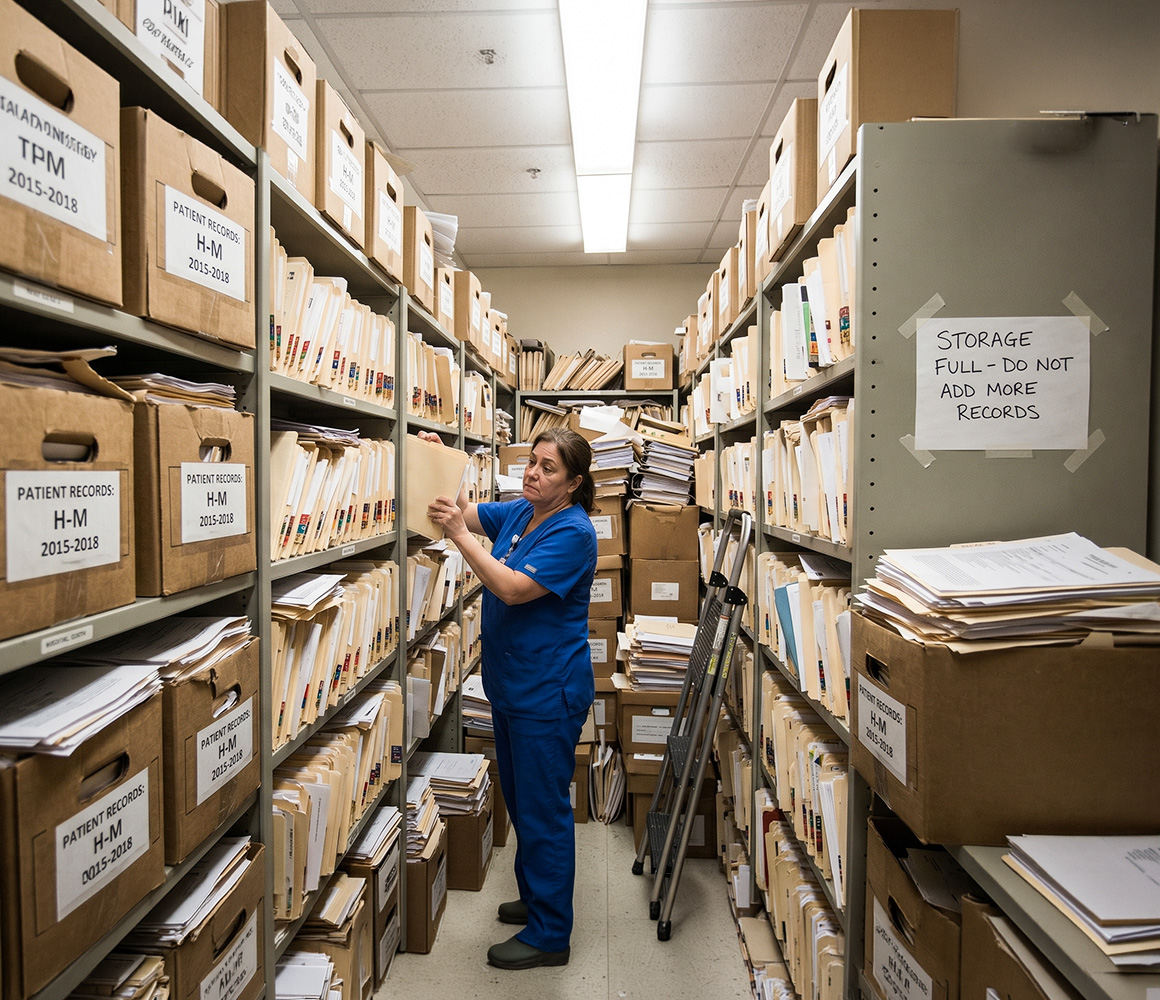
Paper records create operational inefficiencies for healthcare facilities of any size. As patient volumes increase, document management becomes more difficult. Some of the common challenges of paper based records include:
Medical file scanning helps organisations reduce these challenges efficiently while improving operational visibility and record accessibility.
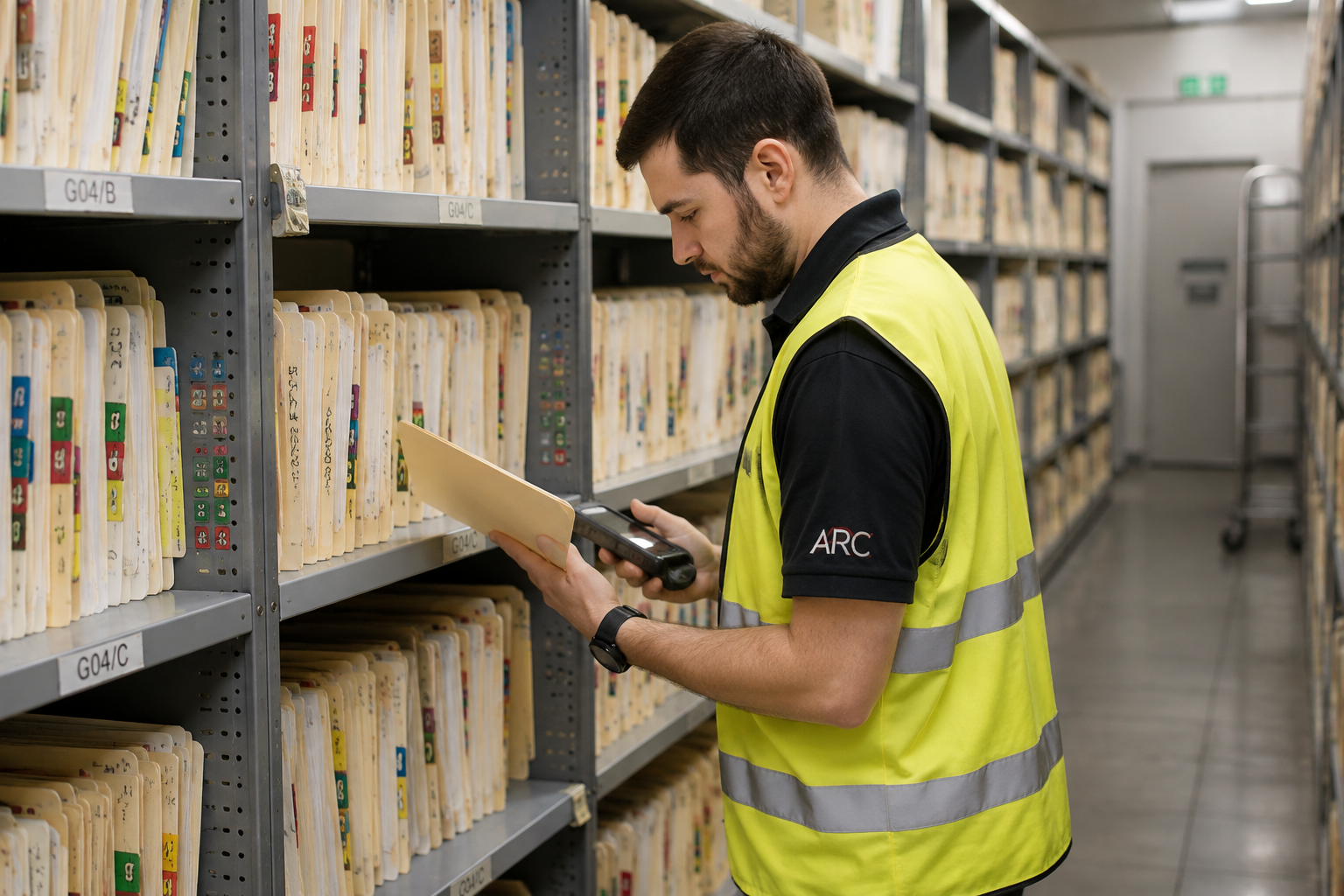

Our Medical Records Scanning solutions ensure quick, secure access to vital patient information, reducing physical storage needs and improving data retrieval efficiency. Trust ARC to handle your medical documentation with the utmost care, maintaining confidentiality and accuracy at every stage.


Preserving Disney’s Legacy of Priceless Documents
“We’re incredibly thankful to the entire team at ARC, at every part of it, for the incredible work that you’ve done, and… you will be a part of all these projects that move forward and memorialised in something that we all did that was hard, was crazy, and… we got it done, and now we are going to be so happy, and so will all the fans”.
Bob Weis
Former President – Walt Disney Engineering

Promote your business with eye-catching banners for trade shows, retail spaces, and events. Our banners are designed to make your brand stand out and attract customers.
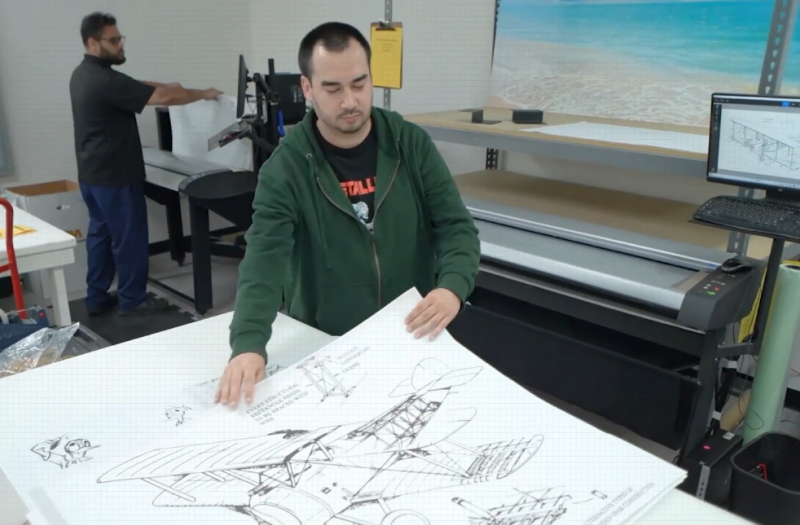
Our document scanning service ensures your physical files are digitised with precision, securely stored for immediate access, and fully compliant with GDPR and industry regulations. From confidential records to bulk archives, we provide a seamless, end-to-end solution – offering fast access, reliable retrieval, and total peace of mind.
We provide secure medical records scanning for active and archived patient files across healthcare environments.
Patient records are digitised into organised digital archives that improve accessibility and reduce physical storage dependency.
Our medical chart scanning services support hospitals and clinics managing large quantities of patient charts and handwritten records.
We help pharmaceutical organisations digitise compliance documentation, research files, batch records, and operational documents securely.
Historical medical records can be scanned, indexed, and structured into searchable digital repositories.
Ongoing scanning services allow healthcare organisations to digitise newly created paper records as part of daily operations.
Maintaining patient confidentiality is critical within healthcare environments. ARC UK operates secure scanning facilities and follows strict information and management procedures designed to protect sensitive patient data.
Our scanning processes support:
Healthcare organisations require to maintain confidentiality of patient information. Our teams follow documented processes to maintain security throughout the scanning lifecycle.

ARC UK supports healthcare organisations managing both small and large scale digitisation projects. Our facilities are equipped with high-end devices for managing high volume medical records scanning while maintaining strict quality control standards.
We regularly support:
Our nationwide logistics capabilities allow us to manage secure collection and transportation of paper documents across the UK.
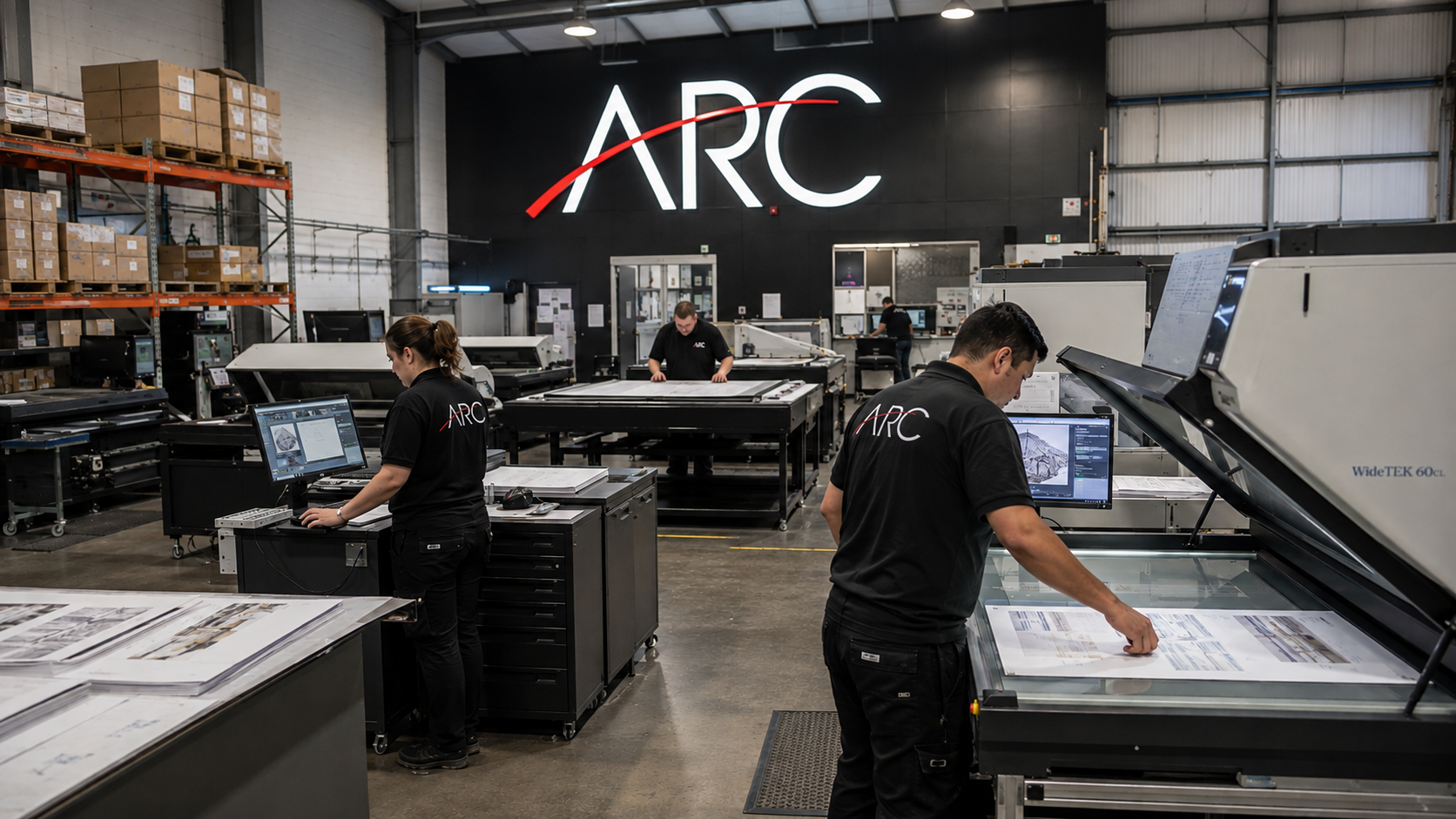
Scanning documents is only part of the process. Healthcare organisations also need records to be easy to search and retrieve.
At ARC UK, we don’t just scan documents but also make them easily searchable using OCR enabled healthcare document imaging systems to convert scanned documents into easily accessible digital files. Custom indexing structures can be applied based on operational requirements.
This means authorised users can quickly locate patient records without manually searching through paper archives.
Common indexing options include:

Maintaining security of data during transportation is essential when handling patient records.
ARC UK follows a secure chain of custody procedures from collection to delivery. Records are inventoried, tracked, sealed, and transported securely to authorised scanning facilities.
This controlled process helps minimise risk while maintaining accountability throughout the project lifecycle.
Detailed information available on the full page.
Detailed information available on the full page.
Detailed information available on the full page.
Detailed information available on the full page.
Detailed information available on the full page.
Detailed information available on the full page.
Detailed information available on the full page.
Detailed information available on the full page.

Explore real customer success stories that demonstrate how our design, print and installation expertise helps businesses deliver high impact branding, signage and display projects, from single locations to nationwide rollouts.
Medical records scanning is the process of converting physical patient files into digital documents. This allows healthcare providers to store, search, retrieve, and manage records electronically instead of using paper archives.
Healthcare document scanning reduces the time spent searching for paper files. Staff can retrieve patient information faster, which improves workflow efficiency and supports quicker administrative processes.
Yes. OCR technology converts scanned text into searchable digital content. This means healthcare teams can search records by patient details, dates, or custom indexing fields.
Medical document scanning can support GDPR compliance when handled securely. ARC UK follows controlled document handling, secure transfer methods, and confidentiality procedures throughout the process.
Hospitals, NHS trusts, clinics, laboratories, pharmaceutical companies, and private healthcare providers commonly use medical records scanning services.
Patient files, medical charts, laboratory reports, prescriptions, consent forms, pharmaceutical records, archived files, and operational healthcare documents can all be digitised.
Day forward scanning is an ongoing service where newly created paper records are scanned regularly into a digital archive as part of daily operations.
Records are barcoded, sealed, tracked, and transported using secure chain of custody procedures. This helps maintain accountability throughout collection and delivery.
Yes. Historical archives can be scanned and indexed into searchable digital repositories, making older records easier to access and manage.
Scanned medical records are commonly delivered in PDF, TIFF, or other secure digital formats that integrate with healthcare document management systems.
Project timelines depend on document volumes, indexing requirements, and workflow complexity. Large scale archive projects may take several weeks, while smaller projects can be completed faster.
Digitising medical records improves accessibility, reduces storage costs, supports compliance, and helps healthcare teams retrieve critical information more efficiently.
Project timelines depend on document volumes, indexing requirements, and workflow complexity. Large scale archive projects may take several weeks, while smaller projects can be completed faster.
Digitising medical records improves accessibility, reduces storage costs, supports compliance, and helps healthcare teams retrieve critical information more efficiently.