Signage That Works: Wayfinding Signage and Informational Signage in UK Buildings
March 6, 2026
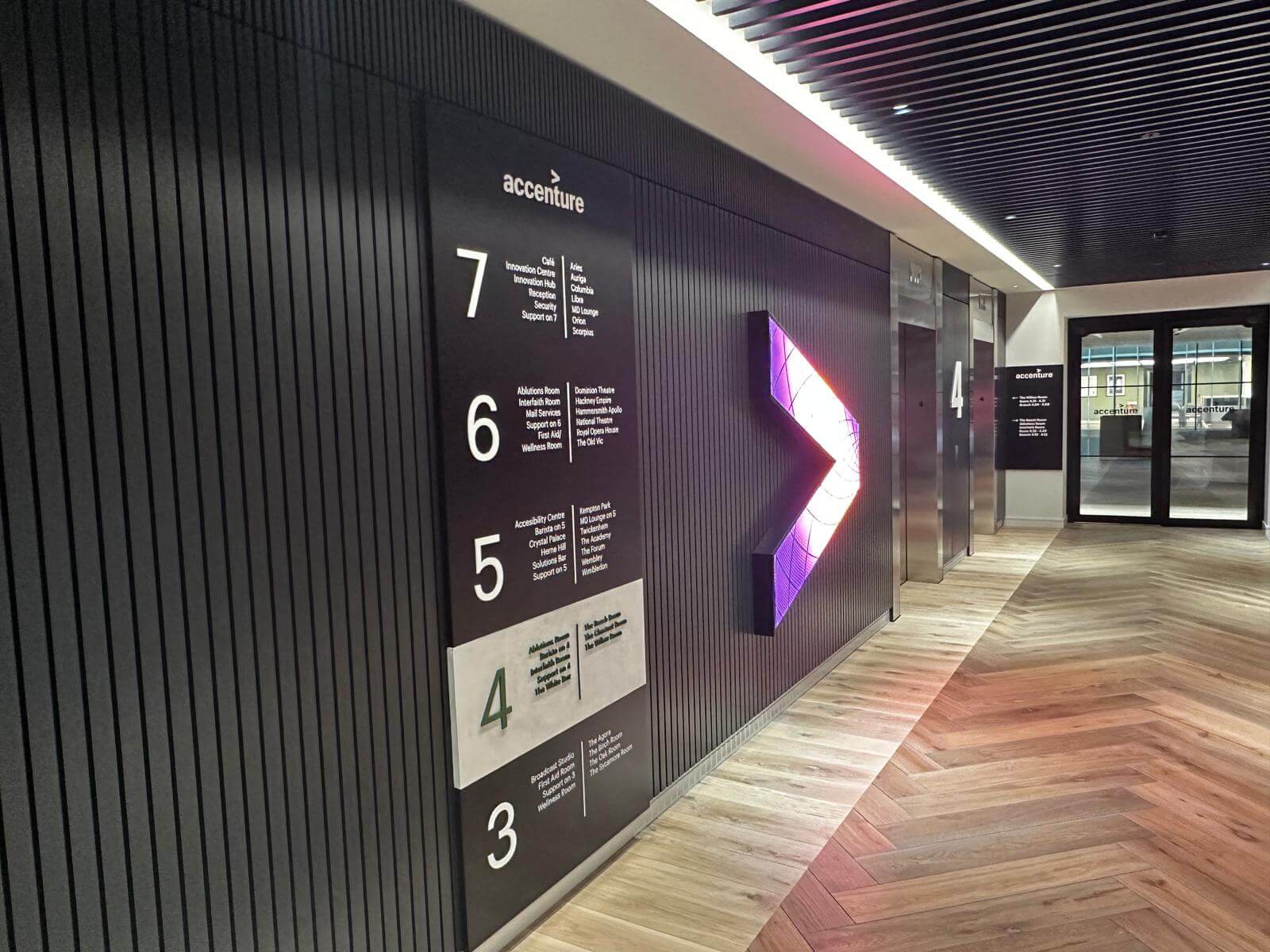
Have you ever imagined how difficult it would be to navigate commercial places like airports, shopping malls or large buildings without wayfinding signs? Wayfinding signage provides intuitive and clear directions that ensure seamless navigation across commercial UK buildings. Whether it’s a shopping mall, airport or office buildings, putting up informational signage does not mean putting up a few signs; it is like a comprehensive system that helps people find their destination through visual and tactile guidelines.
Wayfinding signages can be in the form of maps, elevator direction, staircase signs, emergency exit routes, fire safety signs, symbols, and landmarks that greatly help in improving the cognitive mapping of a place.
What Is Wayfinding Signage
Wayfinding signs are designed to guide people navigating through a large commercial building confidently. Places like airports, shopping malls, or big office buildings are the most confusing ones where people need clear directions to reach their destinations easily, safely and confidently. From directional arrows, symbols to floor maps, reduce confusion and save time in unfamiliar locations, making it easier for people to spot their desired place seamlessly. The best part of installing these signages is that it enhances the overall user experience, improves accessibility and makes sure the visitors roam around freely, making navigation smooth and stress-free.
To define the uses of wayfinding signage in simple terms, it can be said that informational signage works as a system that guides people in case of a fire emergency. It serves two main objectives –
- To help people evacuate a building and reach an assembly point.
- To help emergency service providers identify a space in a building in the midst of poor visibility.
How does wayfinding signage work?
While talking about signage and wayfinding, we often assume it is about erecting some wayfinding elements at key places. But actually, it is much more than that. They are almost always seen in large commercial spaces such as shopping malls, hospitals, universities, etc.
They play an important role in higher footfall places or high-risk areas like airports, restricted compounds etc, where ensuring people’s safety is the main concern. Wayfinding is a comprehensive series of tools and resources that support safe and efficient movement of people, delivering a seamless navigational experience, improved safety and better crowd control, which a visitor may need at any moment during his or her visit to an unfamiliar place.
Importance of Wayfinding Signage
- Smart Office Management: Wayfinding signage plays an important role in organising your office space and running business operations smoothly. It is a form of navigational sign that guides people through a commercial office building smoothly, safely and confidently. These informational signs for UK office buildings are not just meant for serving practical purposes but also contributes to a workplace that looks more efficient, safe and welcoming for the visitors.
- Effective Branding: Wayfinding signages can be customised aligning your company’s unique theme colours, logo, and style. When these things are perfectly incorporated in a wayfinding signage design, they not only improve visitors’ navigational experience but also add a visual appeal to your building premises, creating a professional and polished look.
- Safety and security: When an emergency takes place, having clearly marked evacuation routes or exit gates through wayfinding signage creates a big difference for safe evacuation. These elements play an important role in guiding everyone at a facility, office or business safely.
Similarly, wayfinding regulatory signs play a key role in safety. It indicates areas with restricted access to avoid potential hazards or liability issues. The purpose of this signage is to keep people protected, informed and secured.
- Enhance productivity: Clear navigational signs save a lot of time. Instead of wandering around trying to find a place or asking someone for proper directions, visitors can focus on what exactly matters and can reach their destination quickly and safely.
- Create a better user experience: Well-designed signage does more than just point the way. It helps boost confidence in visitors. Clearly designed wayfinding signs with visual cues make it easier for everyone to navigate with ease.
- Easy navigation: They make it simple for people to find their way even in a complex building layout. It saves time and cuts down on confusion, helping people to spot important places instantly, such as meeting rooms, the lobby and various other departments.
Signage and Wayfinding in UK Buildings – Trace Their Importance and Applications
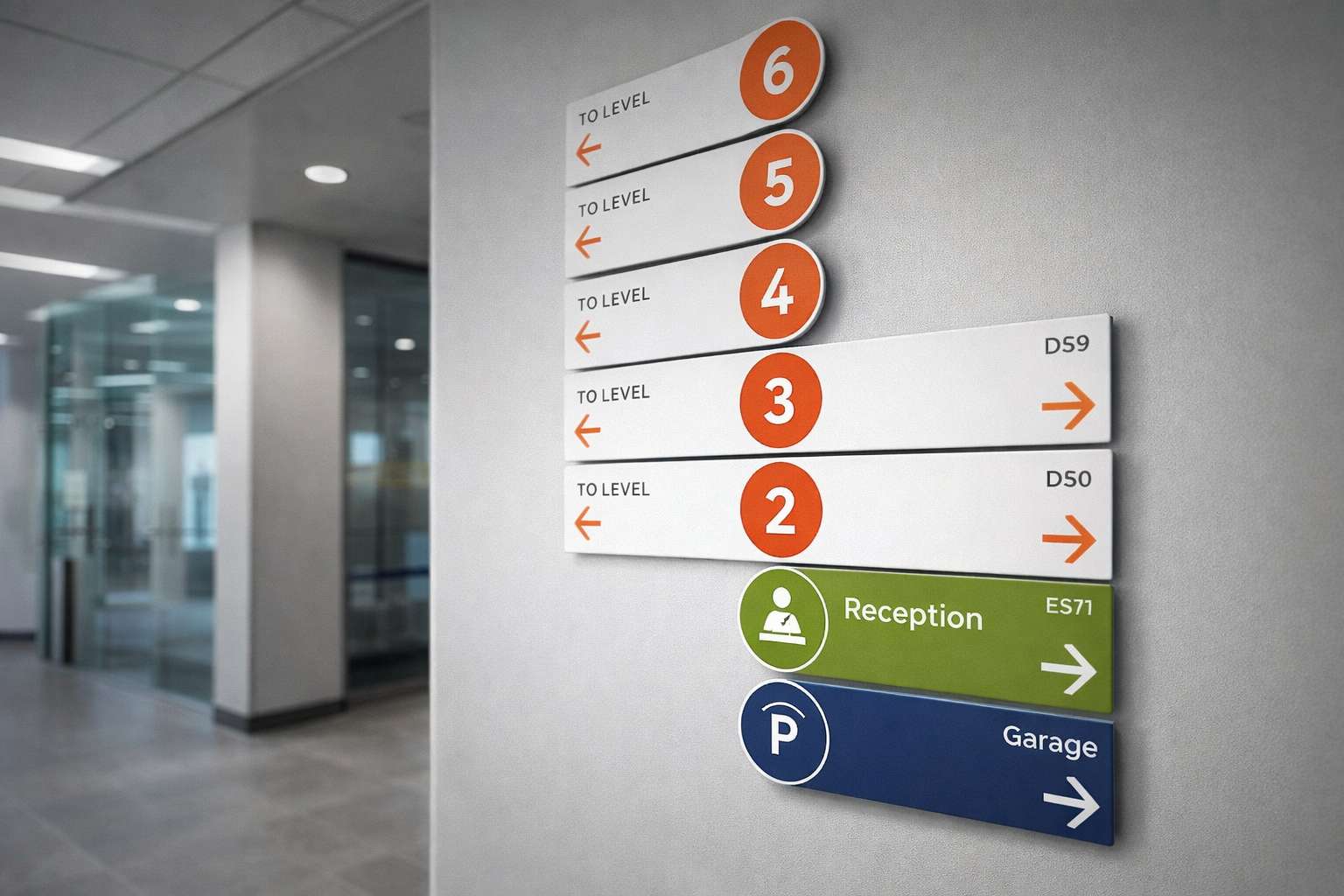
Wayfinding signages play an important role in UK buildings by ensuring spaces are seamless to navigate and safe to use for everyone. From hospitals, hotels to transportation hubs, effective signages help people find their ways quickly while meeting regulatory protocols. In the UK, wayfinding signs are designed not just for guiding people but also to improve user experience and ensuring adherence to UK regulatory protocols.
Some important facts about wayfinding signage for the UK buildings include –
- Clear signages help visitors reduce stress and improve satisfaction while navigating through commercial spaces.
- UK buildings must adhere to accessibility guidelines, including the use of braille, tactile and high contrast signage.
- Well-planned wayfinding sign designs and their strategic placement can reduce staff interruptions by answering common questions to “where is?” questions.
- Bold colours, fonts and symbols improve customer recognition and navigation across large commercial buildings.
- Safety and emergency signs are required to meet the British Standard for better clarity and visibility.
Types of Wayfinding Signage
Different types of informational signages are used across various places that include outdoor wayfinding signs that are designed for outdoor places, indoor wayfinding signs that are used inside a building and directional signs for guiding people towards the right direction. Let’s take a look at the signage below –
Directional Wayfinding Signage
This is one of the most commonly used signages that helps people find a location and guides people navigating through a building seamlessly. Wayfinding or directional signages make a natural fit. This form of signage is straightforward and guides people towards the right directions, such as up, down, forward, right, left and take a turn, etc. Wayfinding signages use arrows and symbols, and in certain cases, they ensure conformity.
Types of directional signs –
- Wall-Mounted Directional Signs
- Floor Directional Graphics
- Freestanding Directional Signs
- Arrow-Based Directional Signs
- Multi-Directional Signs
- Colour-Coded Directional Signs
Indoor Wayfinding Signage

Indoor wayfinding signages are specifically designed to help people so they can seamlessly navigate interior spaces with confidence, especially in large buildings such as shopping centres, hospitals, offices, airports and educational institutions. These signages are designed to guide visitors in key areas like rooms, reception, departments, lifts, staircases and emergency exits. Effective indoor signages use simple designed icons, clear typography and vibrant color schemes for grabbing instant attention. They are strategically placed, ensuring your message is easy to read and understand at a glance. Besides ensuring seamless navigation, well-designed indoor signages improve accessibility, reduce confusion and create an organised and welcoming environment for everyone.
Types of indoor signs
- Identification Signs
- Informational Signs
- Reception and Lobby Signs
- Floor Graphics
- Wall-Mounted Signs
- Hanging or Ceiling-Mounted Signs
- Digital Wayfinding Displays
- Safety and Emergency Signs
Outdoor Wayfinding Signage
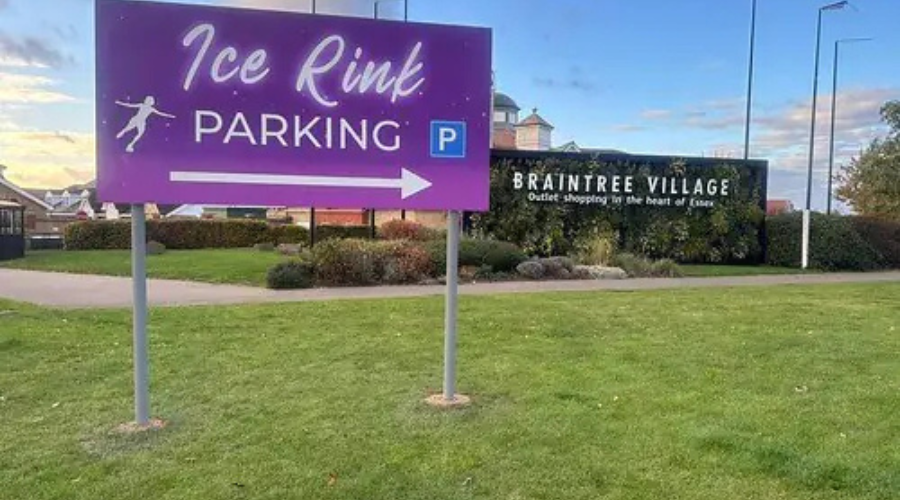
Outdoor wayfinding signages are designed for guiding people through public spaces or large open areas by providing clear directions and location details. These are commonly used in places such as business parks, campuses, parking zones, streets and public buildings, like places where these signs help visitors reach their destinations with ease. Since they are made of durable and weather-resistant materials, outdoor signages stand strong and remain visible in all weather conditions. These signages enhance safety, improve traffic flow and support quick accessibility and create a cohesive environment, making outdoor spaces more welcoming, organised and easy to explore.
Types of outdoor signage –
- Monument Signs
- Traffic and Parking Signs
- Safety and Regulatory Signs
- Pylon and Totem Signs
- Building Identification Signs
- Digital Outdoor Displays
Informational Signage in UK Buildings – how does it ensure safety for the people
Informational signages are commonly used in most of the UK buildings and offices to ensure safety and compliance. As per the UK’s fire safety regulations act of 2002, it has been mandated to install wayfinding signages across all public spaces to clearly communicate important information to visitors, occupants and staff, making spaces safe and easy to navigate for the public.
These are most commonly used in places like schools, hospitals, offices, shopping centers and public building-like spaces that serve the purpose of guiding people without directing movement. These signages are also used for displaying opening hours, building rules, facility details, safety instructions and accessibility information, creating an organised and professional environment while boosting customers’ trust and safety within the space.
What are the guidelines to be followed for Wayfinding Signage Design
There are some guidelines to be followed for designing wayfinding signages. These guidelines must be followed to ensure regulatory compliance.
- Wayfinding Signage Design Guidelines: UK wayfinding signage design guidelines include -The signages should be designed focussing on clarity, precision and consistency.They should be placed strategically, maintaining left alignment and eye level placement (1.4- 1,6m).
- Health and safety Regulations 1996: These regulations need safety and wayfinding signages to use standard shapes, colours, symbols and pictograms so they can easily be understood.
- Equality Act 2010: As per the act of 2010, wayfinding signages must be accessible to everyone, including people with disabilities. This means precise printing, clear typography, vibrant colour contrast, readable font size and appropriate placement at eye level.
- BS 5499 and BS EN ISO 7010 Standards: The International and British standard has importance of wayfinding symbols, pictograms, arrows and colours. The signages designed for the UK buildings must comply with the universal understandings and consistency across public and commercial establishments.
- Fire safety regulations: The signages and wayfinding related to emergency exits must comply with fire safety protocols, ensuring the signs are clearly visible, illuminated and placed strategically showing evacuation routes to the people.
- Wayfinding Signage Design Best Practices: In the UK, best wayfinding signage design practices must align with regulatory protocols such as the Equality Act 2010 and BS 8300 that emphasise on design that appears vibrant in terms of high color contrast, readable text fonts, appropriate text size and strategic placement of the signage at key locations.
Besides aligning to regulatory protocols, well-designed UK wayfinding signages also considers the environment, blending both functionality and aesthetics so that signs appear visible without overwhelming the space and thereby creating a safer, smoother and seamless navigational experience for the people.
Fire Safety Regulations and Wayfinding Signage
Wayfinding signage for large buildings in the UK must comply with Fire safety rules and regulations. Here are a few regulatory instructions to be followed –
- Legal Compliance and Safety First: Fire safety and wayfinding signages in the UK must comply with the Regulatory Reform (fire safety) protocols 2005, ensuring that occupants must identify the escape routes and safety equipment during emergency situations.
- Clear escape route identification: Well-designed wayfinding signages should mark escape routes, stairwells and assembly points, helping people to evacuate efficiently and calmly even in low light areas.
- Use of standard colours and symbols: The UK fire safety wayfinding signage must follow the recognised standards like BS EN ISO 7010, using consistent colours and symbols (green for safe and red for fire equipment), ensuring instant recognition.
- Visibility in all conditions: Fire safety wayfinding signages are strategically placed at key points, and they often use illuminated materials to remain visible during a smoke-filled environment and power failure.
- Wayfinding Signage for the Fire Service: Wayfinding signages are designed aligning with fire safety standards and guidelines, helping firefighters to quickly locate important places such as riser inlets, fire control panels, fire doors, stair cores and firefighting lifts even in unfamiliar and complex building layouts.
Different types of fire wayfinding symbols are used, including directional arrows, floor identification, zone markings etc enabling fire service professionals to navigate efficiently and reduce response time. By providing clear information and orientation, well-designed and planned wayfinding signage improves operational efficiency and ensures building operations across UK buildings.
Digital Wayfinding Signage – Find Your Way In A Click
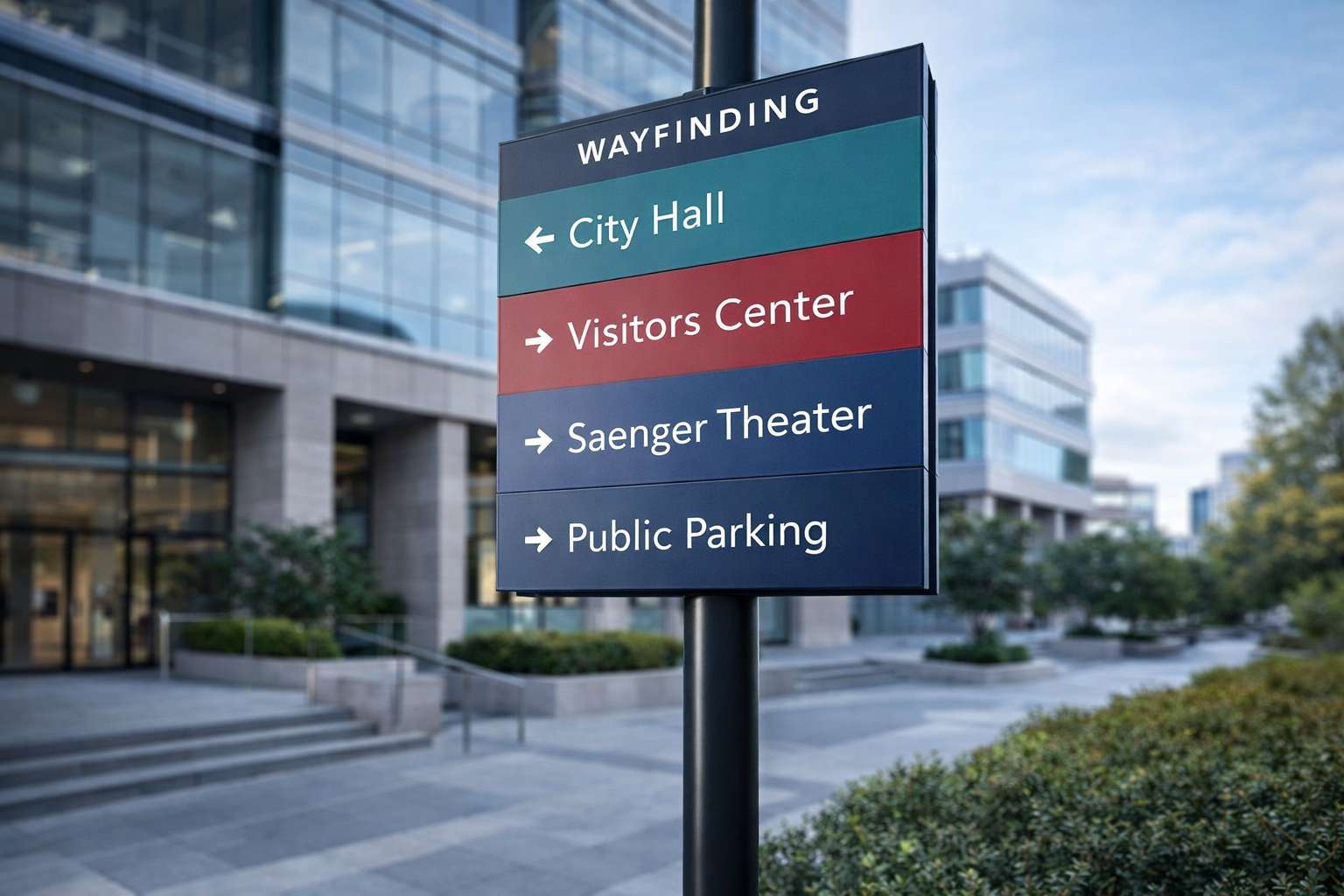
Digital wayfinding signage in the UK is displayed through LED screens, interactive kiosks and touchscreen directories, guiding people through public spaces and buildings in a dynamic and user-friendly way. These digital wayfinding signages display interactive maps, multilingual content, directions and accessibility features, ensuring users can reach destinations quickly and navigate complex building layouts with confidence. With colourful graphics, engaging layouts to intuitive touch, digital wayfinding greatly improves navigational experience.
How Can Digital Signage Enhance Wayfinding
The use of digital wayfinding signage across public places improve user experience and improve operational efficiency while staying compliant with the UK regulatory protocols. Real-time updates make it easier to effectively manage changes as per requirement. Moreover, interactive features ease navigation, reduce confusion and save time by answering common navigational queries. Digital wayfinding integrating with fire safety protocols highlight safe evacuation routes and support diverse range of users through clear typography, high contrast visuals and multilingual options.
How ARC UK can help you with wayfinding signages
Effective signages are essential for ensuring safety, accessibility and easy-to-navigate buildings across the UK. At ARC UK, our experienced team of professionals hold a deep understanding of regulatory requirements and user-focussed designs, ensuring reliable wayfinding signage delivery that improve visitors’ experience, improve navigation and reflect the identity of your space. Take a look at our key features –
- UK regulation and compliant design: At ARC UK, we design wayfinding signages aligned with the UK standards such as BS 8300, the Equality Act 2010 and safety standards, ensuring compliance.
- Craft a custom solution for every space: From hospitals, corporate offices, retail to public buildings, we deliver custom wayfinding signs that suit every environment and brand.
- User-centric navigational design: We create hierarchies, intuitive layouts and easy-to-understand signage that help users navigate buildings most efficiently and confidently.
- End-to-end project support: ARC UK offers a comprehensive and end-to-end support service – right from planning, design, production to installation, providing seamless wayfinding solutions for every building.
To discuss further on our wayfinding signage solutions, you can either give us a call or drop your message on our email id. We will get back to you as soon as possible.
Frequently Asked Questions
What is wayfinding signage?
Wayfinding signage is an informational system that combines design, colour, layout, and visual cues to help people navigate spaces easily. It supports orientation and movement through physical environments, particularly in complex or unfamiliar locations.
What are the different types of wayfinding signage?
There are four main types of wayfinding signage:
Directional signage: Guides people to specific locations or routes
Identification signage: Confirms destinations such as rooms, floors, or departments
Informational signage: Provides helpful context, maps, or general guidance
Regulatory & fire safety signage: Communicates safety rules, emergency exits, and compliance information
What is the difference between signage and wayfinding?
Signage refers to individual visual elements such as symbols, text, or boards. Wayfinding is a broader strategy that combines signage with spatial layout, visual hierarchy, colour coding, and environmental cues to create a seamless navigation experience.
What types of buildings need wayfinding signage in the UK?
Wayfinding signage is commonly used in large or complex spaces where navigation can be challenging, including:
- Schools, colleges, and universities
- Hospitals and healthcare facilities
- Transport hubs such as airports and stations
- Shopping centres and retail complexes
- Hotels, offices, and public buildings
Can wayfinding signage be customised to match my brand?
Yes. Wayfinding signage can be fully customised to reflect your brand colours, typography, and visual style. At ARC UK, we design and deliver bespoke wayfinding signage solutions tailored to commercial and public environments.
What Are Your Printing Requirements?
Latest stories
Retail VM & Display Show & International Franchise Show London – April 2026
Are you planning a store launch, franchise rollout, or estate refresh in 2026? If you are exploring large format print, sustainable print production, retail fit-out solutions, or multi-site rollout management in the UK, April is the right time to talk. ARC UK will be exhibiting at two of the UK’s most influential events this April, […]
Read More about Retail VM & Display Show & International Franchise Show London – April 2026Large Format Printing for UK Construction Sites: Construction Site Hoarding Graphics That Deliver Impact
In the construction sector, large format printing plays a vital role. Construction site hoardings and building wraps are a legal requirement. They are not only used to hide unsightly building works but also feature potential advantages that greatly help construction businesses. Creatively designed hoarding graphics can create a direct impact in the minds and hearts […]
Read More about Large Format Printing for UK Construction Sites: Construction Site Hoarding Graphics That Deliver ImpactSustainable Print & Engineered Set Solutions for UK Theatre & Performing Arts
Key Takeaways Theatre graphics UK play a key role in visual storytelling. Large format printing for theatre ensures clarity and scale on stage. Sustainable materials reduce cost, waste, and transport challenges. Integrated production services improve consistency across venues. Theatre signage solutions enhance audience experience and navigation. Professional installation ensures timely and accurate execution. Modern theatre […]
Read More about Sustainable Print & Engineered Set Solutions for UK Theatre & Performing Arts